
What Does Homeowners Insurance Cover in Florida? (And What It Doesn’t)
A standard Florida homeowners policy — often called an HO-3 — covers four main areas.
Dwelling coverage protects the structure of your home. That includes your walls, roof, floors, and built-in systems. If a hurricane damages your roof or a fire destroys a wall, this is what pays to rebuild.
Other structures covers things like a fence, detached garage, or storage shed on your property.
Personal property protects your belongings — furniture, electronics, clothing, and more. If a covered event damages or destroys them, this coverage helps replace them.
Loss of use (also called additional living expenses) pays for a hotel or rental if your home becomes unlivable after a covered loss. This one surprises many homeowners. It’s worth knowing you have it.
What Standard Policies Do NOT Cover in Florida
This is where many South Florida homeowners get caught off guard.
Flood Damage
Your standard homeowners policy does not cover flooding. Not from a storm surge. Not from a river overflowing. Not from heavy rain that soaks into your home from the ground up.
Florida has more flood zone properties than almost any other state. If your home floods and you don’t have a separate flood insurance policy, you pay out of pocket.
External resource: Check your flood zone status through FEMA’s Flood Map Service Center.
Sinkholes
Standard policies typically exclude sinkhole damage. Florida law does require insurers to offer sinkhole coverage as an add-on, but it’s not automatic. Ask your agent if you’re covered.
Wear and Tear
Insurance covers sudden, accidental damage — not gradual deterioration. A roof that’s leaked for years due to neglect is not a covered claim. Regular maintenance matters.
Understanding Your Hurricane Deductible in Florida
Here’s something every South Florida homeowner needs to know. Your hurricane deductible is not a flat dollar amount like $500 or $1,000.
It’s a percentage of your dwelling coverage — typically 2% to 5%.
So if your home is insured for $400,000 and you have a 2% hurricane deductible, you pay the first $8,000 out of pocket before your insurance kicks in. At 5%, that’s $20,000.
This applies any time a named storm triggers the deductible — which in Florida is most hurricane-related claims.
Knowing this number before a storm hits is critical. Ask us to walk through your deductible with you. It takes five minutes and could save you from a major surprise.
Replacement Cost vs. Actual Cash Value — Why It Matters at Claim Time
These two terms sound similar. They are very different.
Replacement cost value (RCV) pays what it actually costs to replace your damaged property today — with a similar item at current prices.
Actual cash value (ACV) pays replacement cost minus depreciation. That five-year-old AC unit that cost $6,000 new? After depreciation, your payout might be $2,500.
Many South Florida homeowners are surprised to learn their policy pays ACV, not RCV. If that’s the case for you, you may want to discuss an upgrade with your agent.
Common Claim Mistakes South Florida Homeowners Make
Even with good coverage, small mistakes can slow down — or reduce — your payout.
- Not documenting belongings ahead of time. Take a home inventory video and store it in the cloud. Do it now, before a storm threatens.
- Waiting too long to report damage. Most policies require prompt notice. Don’t delay.
- Making repairs without approval. Emergency repairs are fine. But major work done before your adjuster reviews the damage can create disputes.
- Assuming flood damage is covered. It’s not. See above.
- Not reading the hurricane deductible. Many homeowners don’t know their number until they file. Know yours today.
Review Your Coverage Before the Next Storm Season
Florida’s rainy season runs June through November. That’s also peak hurricane season. The best time to review your homeowners insurance coverage is before a storm is in the forecast — not during one.
We work with multiple carriers to make sure you have the right protection at the right price. As an independent agency, we shop for you.
Ready for a no-obligation coverage checkup? Our team will review your current policy, walk through your deductibles, and make sure there are no gaps. Request your free review here.
Frequently Asked Questions
Q: Does homeowners insurance cover hurricane damage in Florida? Yes — but with important limits. A standard policy covers wind damage from a hurricane, but a separate hurricane deductible applies. That deductible is typically 2–5% of your dwelling coverage, not a flat dollar amount. Flood damage from storm surge is not covered under a standard policy.
Q: Is flood insurance required in Florida? It depends on your location. If your home is in a high-risk flood zone and you have a federally backed mortgage, flood insurance is required. Even if it’s not required, we strongly recommend it for most South Florida homeowners due to our exposure to tropical storms and heavy rain.
Q: What’s the difference between replacement cost and actual cash value? Replacement cost pays what it takes to replace your property at today’s prices. Actual cash value subtracts depreciation from that amount. Replacement cost coverage typically costs more but pays out significantly more at claim time — often making it the smarter choice.
Q: What does homeowners insurance cover in Florida for personal property? Your personal property coverage protects belongings like furniture, electronics, clothing, and appliances from covered events like fire or windstorm. Coverage limits vary by policy. Some high-value items — like jewelry or art — may need a separate rider to be fully protected.
Synergy Insurance Group has served South Florida homeowners since 2006. We’re an independent agency headquartered in Sunrise, FL. We represent multiple carriers so we can find the right fit for your home and your budget.
Home Insurance Rates Florida 2026: What South Florida Homeowners Need to Know
If you own a home in South Florida, we have some good news.
Home insurance rates in Florida are finally dropping — and the reductions hitting Broward, Miami-Dade, and Palm Beach counties are the most significant in recent memory. After three years of painful increases, real relief is on the way.
Here’s what changed, what it means for your wallet, and how to make sure you’re actually getting the savings you deserve.
Why Florida Home Insurance Rates Went So High
To understand why rates are dropping, it helps to know why they went up in the first place.
Florida wasn’t just expensive because of hurricanes. The bigger driver was litigation abuse.
At its peak, Florida accounted for roughly 8% of homeowners insurance claims nationwide — but nearly 80% of all insurance lawsuits in the country. Two practices were largely to blame:
- One-way attorney fees — Lawyers could sue insurers and force them to pay massive legal costs, even on small disputes. This created a huge incentive to file lawsuits.
- Assignment of Benefits (AOB) fraud — Contractors could “sign over” your policy rights to themselves, then bill insurers directly. Inflated invoices were rampant.
These costs didn’t just hurt insurance companies. They got passed straight to you in the form of higher premiums. Carriers couldn’t price the risk anymore — they were pricing the lawsuit lottery. Many simply left Florida altogether.
What Changed: The Reforms That Are Working
In 2022 and 2023, Florida’s legislature passed sweeping reforms. They eliminated one-way attorney fees. They ended AOB abuse. They tightened claims timelines and cracked down on fraud.
The results are showing up in your premium.
Since the reforms took effect, 17 new homeowners insurance companies have entered Florida, and 83 rate-decrease filings were scheduled to take effect in January 2026.
Citizens Insurance — Florida’s insurer of last resort — peaked at 1.42 million policies in October 2023. By early 2026, that number had dropped to just 336,000, a 76% decline, as homeowners found competitive coverage in the private market.
More carriers. More competition. Lower rates.
How Much Are Home Insurance Rates Dropping in South Florida?
This is where it gets real for homeowners in our area.
Governor DeSantis announced that Citizens Property Insurance policyholders across South Florida will see some of the largest reductions in the state, beginning at renewal in Spring 2026:
- Broward County: ~27,000 homes, average reduction of 14.1%
- Miami-Dade County: ~42,000 homes, average reduction of 14.0%
- Palm Beach County: ~26,000 homes, average reduction of 11.9%
Statewide, Citizens policyholders will see an average reduction of 8.7%, with more than 150,000 homeowners experiencing reductions of 10% or more.
And this isn’t just for Citizens policyholders. If you’re on a private carrier, you’re likely seeing rate pressure ease as well. With more companies competing for your business, agents now have real options to put on the table for the first time in years.
One More Savings Layer: The FIGA Assessment Ends in October 2026
Here’s something most homeowners don’t know about — but should.
Since October 2023, a 1% emergency assessment has been added to every Florida property insurance policy. It was created to help repay debts left behind when more than ten Florida insurers became insolvent.
The good news? It’s ending early.
The FIGA emergency assessment will end on October 1, 2026 — two years ahead of the original schedule. Officials estimate this will save Florida homeowners and businesses up to $650 million over the following two years.
For individual policyholders, savings will vary based on premium cost:
- A $2,000 annual premium may save about $20 per year
- A $3,500 annual premium may save about $35 per year
- A $5,000 annual premium may save about $50 per year
It’s not a huge number on its own — but stack it on top of a 12–14% rate reduction, and it adds up.
Why Right Now Is the Right Time to Shop Your Policy
Rate reductions don’t always happen automatically. Here’s the thing most policyholders miss:
You have to take action to capture the savings.
Your insurer will apply new rates at your next renewal — but that could be months away. And if you’re on the wrong carrier or haven’t shopped in a few years, you may be significantly overpaying right now.
With 17 new carriers in the market and real competition returning to South Florida, this is the best environment we’ve seen to shop your renewal in years.
If your policy renews in the next 90 days, this is the time to review it. If it renews later in the year, it’s still worth getting a fresh quote today. We may be able to move you to a better rate right now rather than waiting.
Don’t Just Look at the Headline Premium
When you’re comparing quotes, the premium number is just the starting point. Here are three things to look at closely before switching or renewing:
Deductibles
Florida home policies typically carry separate hurricane and windstorm deductibles — often 2–5% of your home’s insured value. On a $400,000 home, a 2% hurricane deductible means you pay the first $8,000 out of pocket after a storm. Make sure you’re comparing apples to apples.
Replacement Cost vs. Actual Cash Value
A replacement cost policy pays what it costs to rebuild or replace your home and belongings at today’s prices. An actual cash value policy subtracts depreciation first. The difference can be tens of thousands of dollars after a major loss.
Law & Ordinance Coverage
If your home is older and gets damaged, local building codes may require upgrades when you rebuild — updated electrical panels, hurricane straps, new plumbing. Standard policies often don’t cover those costs. Law and ordinance coverage fills that gap. It’s especially important in South Florida, where building codes have changed significantly over the years.
Are You Ready for Hurricane Season Too?
Lower rates are great news. But a competitive premium doesn’t help you if your coverage has gaps going into storm season. Before you finalize your renewal, make sure your policy includes solid hurricane coverage, flood protection, and enough dwelling coverage to actually rebuild.
Frequently Asked Questions
- Are Florida home insurance rate drops for all homeowners or just Citizens policyholders?
- The biggest announced reductions are for Citizens policyholders, but the entire market is changing. With 17 new carriers now competing in Florida, private insurers are filing for lower rates too. If you haven’t shopped your policy recently, there’s a good chance we can find you a better rate regardless of who you’re currently with.
- When will I see the lower rates on my policy?
- New rates take effect at your next renewal date. If your renewal is coming up soon, the timing is perfect. If it’s several months out, it may still be worth getting a quote now — in some cases, switching early makes financial sense if the savings are significant enough.
- What is the FIGA assessment and when does it end?
- The FIGA (Florida Insurance Guaranty Association) emergency assessment is a 1% surcharge added to all Florida property policies in October 2023. It helped pay outstanding claims from insolvent insurers. It ends on October 1, 2026 — two years ahead of schedule — saving Florida policyholders an estimated $650 million.
- Does my homeowners policy cover flood damage?
- No. Standard homeowners insurance does not cover flooding, even if caused by a hurricane or tropical storm. Flood coverage requires a separate policy. If you’re in South Florida and don’t have flood insurance, that’s a serious gap in your protection.
Ready to find out if you’re overpaying? Our team reviews your current policy at no cost and shops it against the best carriers available in South Florida.
Understanding Florida Flood Risks and Insurance Impacts
Florida is famous for its sunshine, beaches, and warm weather. But it’s also one of the most flood-prone states in the U.S. With hurricanes, frequent rainfall, and rising sea levels, flooding poses a serious threat to homeowners. Many people don’t realize how significantly floods can impact their insurance coverage and overall costs. Let’s break it down.
Why is Florida at High Risk for Flooding?
Several factors make Florida especially vulnerable to flooding:
- Hurricanes and Storms: Florida is hit by more hurricanes than any other state. These storms bring heavy rain, strong winds, and storm surges that lead to severe flooding.
- Heavy Rainfall: Even outside of hurricane season, sudden downpours can overwhelm local drainage systems and cause flash floods.
- Low Elevation and Rising Sea Levels: Much of Florida sits at or near sea level. As sea levels rise, the risk of coastal flooding increases—especially in cities like Miami, Tampa, and Jacksonville.
How Does Flooding Affect Insurance?
Many homeowners mistakenly believe that their standard home insurance policy covers flood damage. Unfortunately, that’s not the case. Here’s what you need to know:
Flood Insurance is Separate: To protect your home from flood damage, you need a dedicated flood insurance policy. The National Flood Insurance Program (NFIP), run by FEMA, offers coverage, and private insurers also provide options.
Costs Depend on Risk: If you live in a high-risk area, your premiums will likely be higher. You can find your property’s risk level by checking the FEMA Flood Map. Even homes in moderate or low-risk zones aren’t immune to flooding.
Waiting Periods Apply: Most flood insurance policies come with a 30-day waiting period before coverage takes effect. Don’t wait until a storm is on the radar—plan ahead.
Damage Can Be Expensive: Just one inch of water can cause thousands of dollars in damage. Without flood insurance, homeowners must cover these costs out of pocket.
What Can Homeowners Do?
Understanding your flood risk is crucial, so start by checking your area’s designation using the FEMA Flood Map. Even if you are not located in a high-risk zone, investing in flood insurance can provide valuable peace of mind. To protect your home, regularly maintain gutters and storm drains, and, if possible, elevate utilities and appliances to reduce potential damage. It’s also important to have a clear Emergency Disaster Plan in place: know your evacuation routes, keep important documents in waterproof containers, and prepare a go-bag with essential items in case you need to leave quickly.
The Bottom Line
Flooding is a serious risk in Florida, and the financial impacts can be devastating. Standard home insurance does not cover flood damage—so having the right flood insurance is essential.
Don’t wait until it’s too late. Get a Quote from Synergy Insurance today and protect your home and your peace of mind.
Is Your Home Ready for the New Year?
The countdown is on! As we prepare to ring in the New Year with fireworks, confetti, and resolutions we promise to keep, there’s one thing that shouldn’t be left off your list: your home insurance. Sure, champagne toasts and midnight kisses are important, but protecting your home (and your wallet) is the kind of resolution worth keeping. At Synergy Insurance Group, we’re here to make sure your New Year starts off on the right foot—no mishaps, no surprises, just peace of mind.
A New Years Insurance Guide for Homeowners
When was the last time you reviewed your homeowner’s insurance policy? A lot can change in a year—new valuables, home upgrades, or even a new pet. Take a few minutes to make sure your policy still fits your needs. If you’re not sure where to start, our team at Synergy Insurance Group is happy to help.
Fireworks and Festivities: Celebrate Safely
Nothing says “Happy New Year!” like a sky full of fireworks. But fireworks, sparklers, and even those fancy candles on your centerpiece can cause accidents. Make sure your insurance covers accidental fire damage, and always follow safety precautions.
Hosting a Party? Let’s Talk Liability
If you’re hosting a New Year’s Eve bash, it’s all fun and games until someone slips on a spilled drink or trips over party decorations. Liability coverage is your best friend here—it helps cover medical bills or damages if someone gets hurt on your property. Before you pop the champagne, check your coverage.
Protect Your Valuables
New Year, new gadgets! If Santa (or your year-end bonus) brought you a shiny new TV, laptop, or jewelry, make sure these valuables are included in your coverage. Some high-ticket items might need special coverage, so it’s worth giving us a quick call.
Out with the Old, In with the Safe
Start the year with a little home safety refresh. Test your smoke detectors, inspect your home security systems, and make sure your fire extinguisher isn’t expired. A little proactive effort now can prevent bigger headaches later.
Make Insurance Your Easiest Resolution Yet
This year, let’s make “protect my home” one of your easiest resolutions. Whether it’s reviewing your policy, updating your coverage, or simply answering your questions, we’re here to help.
At Synergy Insurance Group, we’ve been helping Floridians protect their homes and peace of mind since 2006. We pride ourselves on building strong relationships with our clients, offering personalized coverage, and making sure you understand every detail of your policy.
Wishing you a safe, happy, and prosperous New Year from all of us at Synergy Insurance Group!
Seasonal Home Maintenance Tips for Florida Residents: Summer Edition
At Synergy Insurance Group, we understand the unique challenges Florida homeowners face, especially during the hot and humid summer months. To keep your home in top shape and avoid common insurance claims, it’s essential to perform regular maintenance tasks tailored to the season. Here are some crucial summer home maintenance tips for Florida residents.
1. Air Conditioning Maintenance
Clean and Replace Filters
- Why: Clogged filters reduce efficiency and can lead to system failure.
- How: Check and replace filters monthly. Clean reusable filters regularly.
Professional HVAC Check-Up
- Why: Ensures optimal performance and prevents unexpected breakdowns.
- How: Schedule a professional inspection and servicing before the peak summer heat.
2. Roof and Gutter Inspection
Inspect and Repair Roof
- Why: Summer storms can exacerbate existing damage, leading to leaks.
- How: Check for loose or missing shingles, signs of wear, and potential leak points. Replace damaged shingles immediately. Click here to read more about how to Hurricane Proof Your Roof.
Clean Gutters and Downspouts
- Why: Prevents water damage and foundation issues.
- How: Clear debris from gutters and ensure downspouts direct water away from your home.
3. Pest Control
Seal Entry Points
- Why: High temperatures and humidity attract pests indoors.
- How: Inspect and seal cracks, gaps, and holes in walls, windows, and doors.
Yard Maintenance
- Why: Overgrown vegetation can harbor pests.
- How: Trim bushes, mow the lawn regularly, and remove standing water where mosquitoes breed.
4. Hurricane Preparedness
Inspect and Reinforce Windows and Doors
- Why: Prevents wind and water damage during storms.
- How: Check for gaps and cracks. Install storm shutters or impact-resistant windows if necessary.
Check and Secure Outdoor Furniture
- Why: Loose items can become dangerous projectiles.
- How: Secure or store outdoor furniture, grills, and other items that can be picked up by strong winds.
5. Plumbing Check-Up
Inspect for Leaks
- Why: Humidity and heat can exacerbate plumbing issues.
- How: Check for leaks in hoses, faucets, and pipes. Repair any issues promptly to prevent water damage.
Clean and Maintain Drains
- Why: Prevents clogs and backups.
- How: Use natural solutions like baking soda and vinegar to clean drains. Avoid chemical drain cleaners that can damage pipes.
6. Electrical System Maintenance
Check and Replace Worn-Out Wiring
- Why: Prevents fire hazards.
- How: Inspect all visible wiring for wear and tear. Consider a professional inspection for hidden wiring.
Surge Protection
- Why: Protects appliances from power surges during thunderstorms.
- How: Install surge protectors on major appliances and consider a whole-house surge protection system.

7. Exterior Maintenance
Pressure Wash Exterior Surfaces
- Why: Removes mold, mildew, and dirt buildup.
- How: Pressure wash siding, driveways, and patios. Be cautious not to damage surfaces.
Paint Touch-Ups
- Why: Protects against weather damage.
- How: Touch up any chipped or peeling paint to protect your home’s exterior from the elements.
8. Fire Safety
Check Smoke Detectors
- Why: Ensures early detection of fires.
- How: Test smoke detectors monthly and replace batteries at least once a year.
Create a Fire Safety Plan
- Why: Prepares your family in case of an emergency.
- How: Develop and practice a fire escape plan with all household members.
By performing these summer-specific home maintenance tasks, Florida homeowners can protect their property from the unique challenges posed by the state’s climate. Regular maintenance not only helps in preventing common insurance claims but also ensures that your home remains a safe and comfortable haven throughout the year. Stay proactive and enjoy the peace of mind that comes with a well-maintained home. Remember, Synergy Insurance Group is here to support you every step of the way.
Cybersecurity Insurance: A Must-Have for Florida’s Small Businesses in 2024
In 2024, Florida’s small businesses face evolving digital threats that make cybersecurity insurance more of a necessity than an option. As cyber-attacks get more complicated and frequent, it is important to secure your Small Business Insurance including cybersecurity coverage. This type of insurance is not just an added benefit; it’s an essential layer of protection in today’s digital age.
Cybersecurity threats range from data breaches to ransomware attacks, all of which can devastate a small business’ finances and repuatation. For small business owners in Florida, understanding the risks and taking proactive measures is essential. This includes implementing strong cybersecurity practices and securing Small Business Insurance Online that addresses the unique vulnerabilities and threats faced by businesses in the digital realm.
The Growing Need for Cybersecurity Insurance
As we delve deeper into the digital era, the need for cybersecurity insurance becomes increasingly apparent. Cybercriminals often target small businesses, particularly because of their limited cybersecurity defenses. A January 2024 study by Accenture’s Cybercrime unit revealed that only 14% of small businesses are prepared to defend against a cyber attack. A single cyber incident can result in significant financial losses, from the costs associated with halting business operations to the expenses related to legal fees, fines, and customer notifications. Small Business Insurance with cybersecurity coverage can help alleviate these risks by providing financial support and resources to understand the aftermath of a cyber attack.
Tips for Protecting Your Business
Educate Your Team: The first step in protecting your business is educating your employees about cybersecurity’s importance. They should be aware of common threats and how to prevent them.
Implement Strong Password Policies: Encourage the use of complex passwords and consider using a password manager. Changing passwords regularly and using multi-factor authentication adds an extra layer of security.
Regularly Update Software: Cybercriminals often exploit vulnerabilities in outdated software. Ensuring that all software is up-to-date is a simple yet effective defense mechanism.
Secure Small Business Insurance Online: Look for Small Business Insurance Online that offers comprehensive cybersecurity coverage. This insurance covers not only the financial implications of a cyber attack, but also legal fees, and data recovery, thereby offering complete protection.
Develop a Response Plan: Having a plan in place in the event of a cyber incident can significantly reduce the impact on your business. This plan should include steps for securing your systems, communicating with stakeholders, and complying with regulatory requirements.
In 2024, securing cybersecurity insurance is imperative for Florida’s small businesses to protect against the digital world’s risks and the devastating effects of cyber attacks. Remember, in the digital age, being prepared is not just an option—it’s a necessity.
Homeowners Insurance and Your Valuables: Should I Insure My Jewelry?
When it comes to safeguarding our homes, homeowners insurance is the first line of protection. Synergy Insurance Group understands the intricacies of homeowners insurance, not just covering the structure of your home, but also the precious items within it. This leads us to a common question many homeowners ponder: “Should I insure my jewelry?”
Understanding Homeowners Insurance
Homeowners insurance typically includes coverage for your personal property, which extends to items like furniture, electronics, and clothing. However, when it comes to high-value items such as jewelry, standard policies often have limits that might not cover the full value of these prized possessions. This is where the importance of evaluating your homeowner’s insurance policy comes into play. It’s essential to ensure your cherished items are fully protected against potential loss, theft, or damage.
The Case for Insuring Your Jewelry
Jewelry holds more than just monetary value; it often carries sentimental significance, marking milestones such as engagements, anniversaries, or family heirlooms passed down through generations. Losing such items can be heartbreaking, and while no insurance can replace the sentimental value, it can provide financial security to replace or repair the items. According to recent statistics, jewelry theft is at an all-time high Therefore, considering additional coverage for your jewelry under your homeowners insurance policy is not just recommended, it’s a wise decision. Synergy Insurance Group suggests taking inventory of your valuable jewelry and obtaining appraisals to determine their current market value. This is important in understanding the coverage you need. Standard homeowners insurance policies may offer limited coverage, typically up to a certain amount per item or total loss. After you have an idea of the value of all your items, it’s a good idea to reach out to your agent to make sure that you have proper coverage. If your jewelry’s value exceeds these limits, additional coverage through a rider or a separate valuable items policy becomes necessary.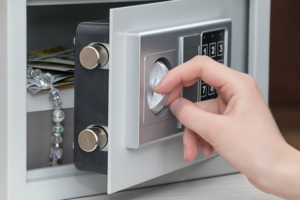
How to Secure Additional Coverage
Securing additional coverage for your jewelry is straightforward with Synergy Insurance Group. We recommend the following steps:
Appraisal: Obtain a recent appraisal for each valuable piece. This ensures your coverage matches the item’s current value.
Inventory: Keep a detailed inventory of your insured jewelry, including photos and descriptions. This documentation is invaluable in the event of a claim.
Policy Review: Work with Synergy Insurance Group to review your current homeowners insurance policy. We’ll help you understand the coverage limits and recommend the best options for additional protection.
Update Regularly: As the value of your jewelry changes over time, so should your insurance. Periodic reviews with your insurer ensure your coverageremains adequate.
The question of whether to insure your jewelry under your homeowners’ insurance policy is a 100% “yes!” With the right coverage, you can safeguard not just the financial investment in your jewelry but also the irreplaceable memories they represent. Synergy Insurance Group is here to guide you through every step, ensuring your treasures are protected for years to come. Remember, homeowners insurance does more than protect your home; it secures your peace of mind by protecting the valuables within it.
Trusted Choice